These mills used saddles on their machinery, a type of wooden bearing to weigh the top rolls on
textile spinning frames.
In 1876, Dixon founded the Dixon Lubricating Saddle Company in Providence, which was moved to
Bristol four years later. Dixon understood that a more advanced saddle design could significantly
enhance productivity, and soon invented and patented a metal bearing used on machines for spinning
cotton yarn. The bearing became the global standard for this modest but nevertheless critical part.
Ironically, Dixon’s relentless dedication to improve the performance of a simple mechanical
component became the groundwork for the Rulon® fluoropolymer solutions you see today – with the
evolution of the Dixon Lubricating Saddle Company into the next century.
During the late 1940s, Robert Rulon-Miller (who married into the Dixon family and was President at
Dixon Industries Corp.) was experimenting with a new material, which utilized DuPont® Teflon®
(tetrafluoroethylene), for a part in a new plastic saddle design to ensure smoother function and
longer wear life. He discovered a new formula and called it “Rulon.” This material would have the
lowest coefficient of friction, be resistant to chemicals, withstand extreme temperatures, and be an
important engineering element in numerous applications. In 1957, the solution was officially
trademarked as Rulon®. This first type of Rulon® material was dubbed "Rulon A" (which was later
replaced by AR).
In the six decades since the Rulon® material came on the scene, first with Dixon Industries Corp.,
then Furon (who purchased Dixon in 1989), and now presently Omniseal Solutions, the fluoropolymer
solution has been expanded from the original formula to many varied grades, each with unique
properties designed to serve a wide range of applications and industries that go beyond its
industrial heritage.
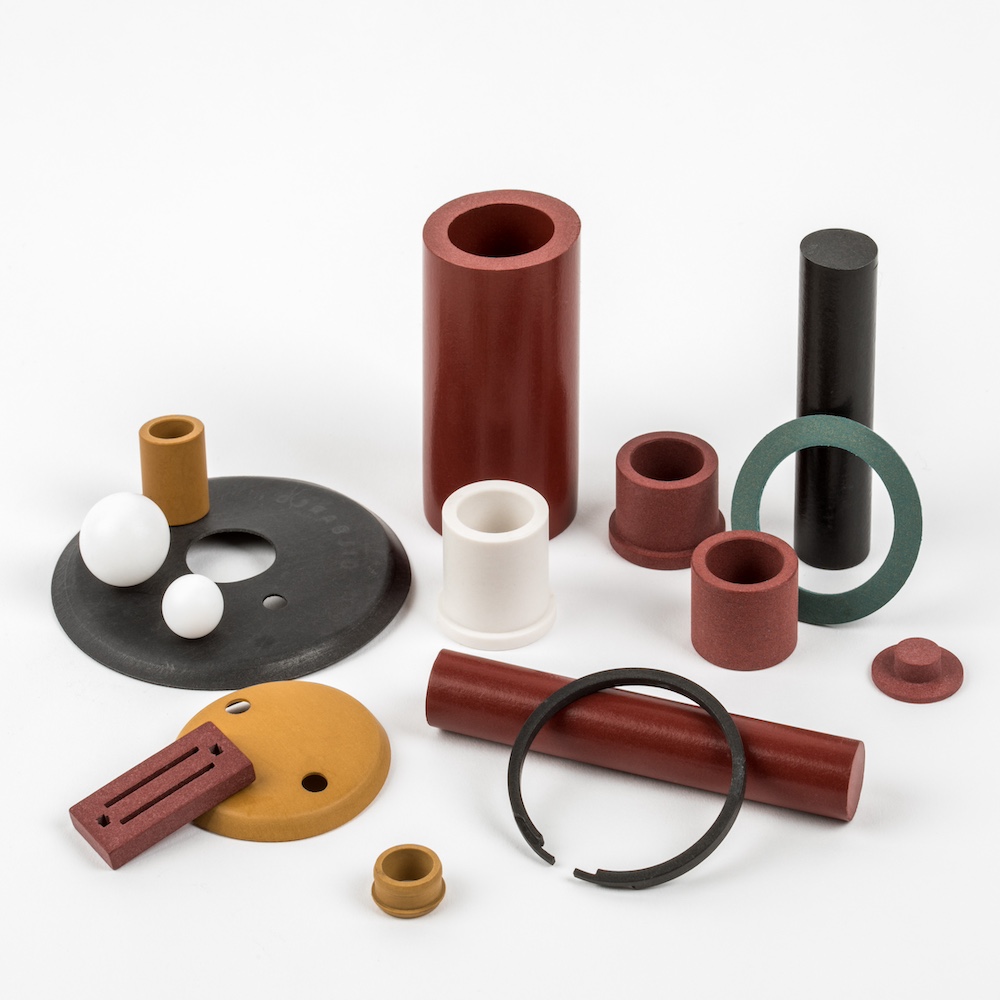
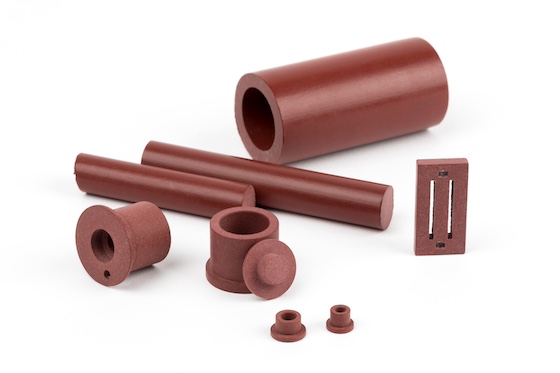
The precision components we now create are bearings, rings, tapes, basic shapes, wear parts and
formed parts. The material can be machined, molded, extruded, skived, stamped, and hot and cold
formed. Can you guess how many formulations there are now? The possibilities are endless!